


Essential Pool Resurfacing Tips: How to Resurface Your Swimming Pool
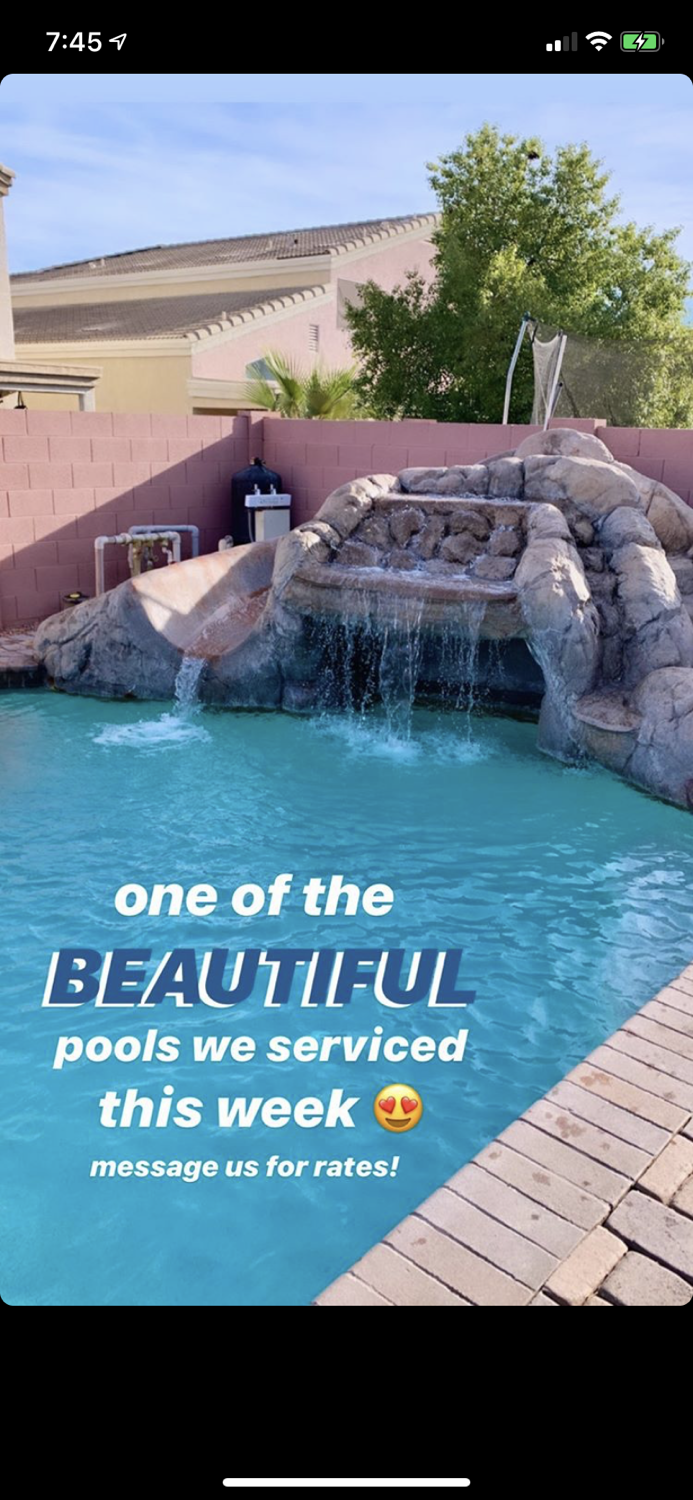
Your swimming pool is more than just a backyard feature - it’s a place to relax, entertain, and create lasting memories. Over time, though, even the most beautiful pools can show signs of wear. If you’ve noticed cracks, rough patches, or discoloration, it might be time to think about how to resurface your swimming pool. Resurfacing breathes new life into your pool, making it look fresh and inviting again.
Let’s dive into everything you need to know about pool resurfacing, from practical tips to deciding if it’s the right choice for your home.
Pool Resurfacing Tips to Transform Your Backyard Oasis
When you decide to resurface your pool, you’re making an investment in your home’s value and your family’s enjoyment. Here are some key tips to help you get started:
1. Choose the Right Material
There are several resurfacing materials available, each with its own benefits:
Plaster: Classic and affordable, plaster offers a smooth finish but may require more frequent maintenance.
Aggregate finishes: These include quartz, pebble, or glass beads mixed into plaster, providing durability and a textured look.
Tile: For a luxurious, long-lasting finish, tile is a stunning option but comes at a higher cost.
Fiberglass: A quick and durable option, though less common for resurfacing existing pools.
2. Prepare Your Pool Properly
Before resurfacing, your pool must be drained and cleaned thoroughly. Any cracks or damage should be repaired to ensure the new surface adheres well. This prep work is crucial for a smooth, long-lasting finish.
3. Hire Experienced Professionals
While DIY might be tempting, resurfacing is a complex process that requires skill and the right tools. Professionals will ensure the job is done correctly, saving you time and potential headaches.
4. Plan for Downtime
Resurfacing means your pool will be out of commission for several days to weeks, depending on the material and weather. Plan your pool use accordingly to avoid disappointment.
5. Maintain Your New Surface
Once resurfaced, proper maintenance will extend the life of your pool’s finish. Regular cleaning, balanced water chemistry, and avoiding harsh chemicals will keep your pool looking pristine.

Is It Worth Resurfacing a Pool?
You might be wondering if resurfacing is really worth the investment. Here’s how to decide:
Signs You Need Resurfacing
Rough or pitted surfaces that feel uncomfortable on your feet
Visible cracks or chips in the pool surface
Stains or discoloration that won’t come off with cleaning
Leaks or water loss that can’t be explained by plumbing issues
If your pool shows these signs, resurfacing can restore its beauty and functionality. It’s often more cost-effective than a full pool replacement and can add years to your pool’s life.
Benefits of Resurfacing
Enhances the aesthetic appeal of your backyard
Improves safety by smoothing rough patches
Increases property value with a refreshed pool look
Allows you to update the style or color of your pool surface
When to Consider Replacement Instead
If your pool has major structural damage or outdated design that no longer fits your vision, replacement might be a better option. Otherwise, resurfacing is a smart way to revitalize your existing pool.
Step-by-Step Guide: How to Resurface Your Swimming Pool
Ready to take the plunge? Here’s a straightforward process to help you understand what happens during pool resurfacing:
Step 1: Drain the Pool
The first step is to completely drain the water. This allows access to the entire surface and prevents damage during the process.
Step 2: Surface Preparation
The old surface is chipped or sandblasted to remove loose material. Any cracks or holes are patched with special fillers.
Step 3: Apply the New Surface
Depending on your chosen material, the new surface is applied carefully. For plaster or aggregate finishes, this involves spraying or troweling the mixture evenly.
Step 4: Curing and Drying
The new surface needs time to cure. This can take several days, during which the pool remains empty and protected from debris.
Step 5: Refill and Balance Water
Once cured, the pool is refilled with water. Proper chemical balancing is essential to protect the new surface and keep the water safe.
Step 6: Regular Maintenance
After resurfacing, maintain your pool with routine cleaning and water checks to keep it looking great.

How to Choose the Best Pool Resurfacing Service in Phoenix East Valley
Choosing the right company for your pool resurfacing project is key to a successful outcome. Here’s what to look for:
Experience and Reputation: Look for companies with a strong track record in luxury custom pools and backyard renovations. Check reviews and ask for references.
Quality Materials: Ensure they use high-quality resurfacing materials suited to the Phoenix climate.
Transparent Pricing: Get detailed quotes that include all costs to avoid surprises.
Customer Service: Friendly, responsive communication makes the process smoother and more enjoyable.
Warranty and Support: A good company stands behind their work with warranties and ongoing support.
Tatum Pools, for example, specializes in transforming outdoor spaces in the Phoenix East Valley with expert craftsmanship and premium materials. Their team can guide you through every step of resurfacing your pool to create a stunning backyard retreat.
Keep Your Pool Beautiful After Resurfacing
Once your pool is resurfaced, you’ll want to keep it looking its best for years to come. Here are some tips to help:
Maintain Water Chemistry: Regularly test and balance pH, alkalinity, and calcium hardness to protect the surface.
Clean Gently: Use soft brushes and avoid abrasive tools that can damage the finish.
Avoid Harsh Chemicals: Stick to pool-safe products recommended by your resurfacing professional.
Cover Your Pool: When not in use, a pool cover helps prevent debris buildup and reduces chemical use.
Schedule Regular Inspections: Have a professional check your pool annually to catch any issues early.
By following these simple steps, you’ll enjoy a smooth, beautiful pool surface that enhances your outdoor living space.
Your pool is a centerpiece of your home’s outdoor experience. With the right approach to resurfacing, you can restore its beauty and functionality, creating a luxurious retreat right in your backyard. Whether you choose plaster, tile, or an aggregate finish, investing in quality resurfacing will pay off in enjoyment and value.
If you’re ready to explore options and get expert help, consider reaching out to professionals who specialize in luxury custom pools and backyard transformations in the Phoenix East Valley. They’ll help you turn your vision into reality with expert advice and craftsmanship.
For more information on how to pool resurface, visit Tatum Pools and start your journey to a stunning new pool today!


Comments